
A genre trope is most easily defined as a theme, plot point, character trait, or motif that helps to define a story. Tropes are one of the ways to most easily identify whether or not a certain book will work for a reader, and every book in every genre contains tropes. There are times when the use of tropes is treated negatively, but understanding them and using them to your advantage as an author is actually a great way to build a fanbase of readers who love, look forward to, and champion your books!
(Quick sidenote: for the sake of this post I am *not* referring to literary tropes such as hyperbole, metaphor, simile, or irony. This post will be specifically about genre tropes.)
In Romance genre fiction, books are often categorized and marketed by their primary tropes. Since these conventions are easily recognizable, it’s very easy for readers to discern quickly if they’ll enjoy a book or not. For example, as a reader, I will pick up any book that is marketed as having either the grumpy/sunshine or enemies to lovers tropes. These are my two favorites and I seek them out. On the flip side, I will tend to shy away from anything marketed as a love triangle or cheating.
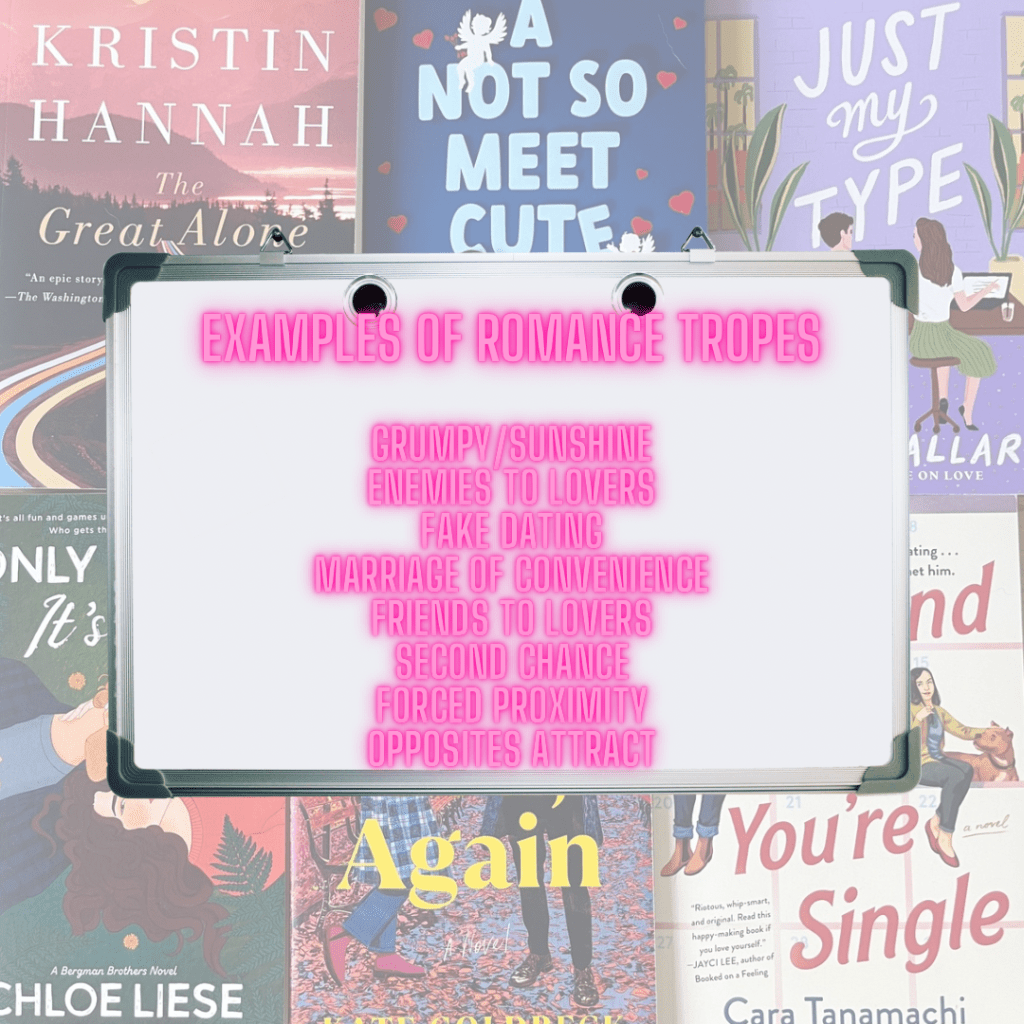
Some additional romance genre tropes include:
- marriage of convenience
- friends to lovers
- second chance
- meant to be
- it’s always been you
- forbidden romance
- fake dating
- fated mates (most common in paranormal romance)
- forced proximity
- sibling’s best friend/best friend’s sibling
- small town
- big city
- opposites attract
- love at first sight/instalove
Tropes play out across all other genres as well, even if they aren’t marketed that way quite as heavily. As an author, there’s no one right way to work with tropes. Some authors choose to outline their specific tropes before they begin writing, and others choose to write the story first and see where it goes and what falls into place. Both methods work and it’s really just a matter of personal preference. That said, the way to leverage tropes to your best advantage is to make sure that you use them in your own way. Don’t just outline a handful of popular tropes and tell a story that’s been heard before. Readers need your unique spin on things and the story that only you can tell!
See below for non-exhaustive lists of tropes you can expect to see by genre.

Thriller genre tropes:
- cat & mouse
- high stakes
- secret identities
- race against the clock
- locked room
- unreliable narrator
- red herring
- exotic locale
- antihero protagonist
Literary fiction tropes:
- the hero’s journey
- plot comes secondary to the writing itself
- ambiguous ending
Horror genre tropes:
- summoning evil
- abandoned places
- the final girl
- monsters
- bad weather/storms
- character archetypes (ie: the jock, the cheerleader, the bad boy, etc)
- the end of the world
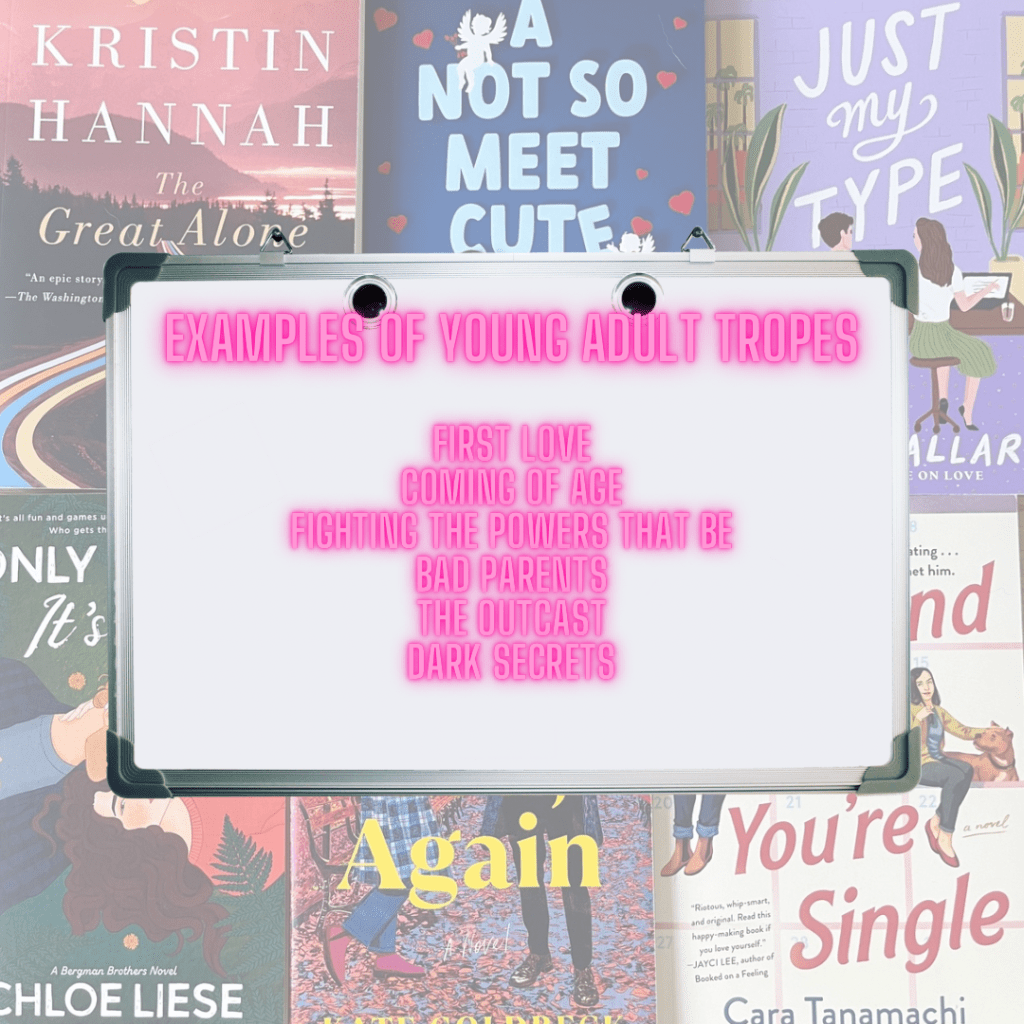
Young adult tropes:
- first love
- coming of age
- dystopia
- fighting the powers that be
- bad parents
- the outcast
- dark secrets
Science fiction tropes:
- set in space
- aliens
- time travel
- dystopian society
- artificial intelligence/robots
- apocalypse
- the chosen one
- the mad scientist
- cloning
Mystery tropes:
- unreliable narrator
- know it all detective
- isolated location/locked room
- everybody’s a suspect
- ineffective police
- blackmail
- “a ha” moment

Fantasy tropes:
- the hero’s journey
- ancient setting
- good versus evil
- the quest/side quests
- the chosen one/one true heir
- mythical or fantastic creatures (such as fae)
- training moments/training montage
- powerful artifacts and libraries
- reluctant hero
- evil magical being
Contemporary fiction tropes:
- coming of age
- family dysfunction
- dealing with difficult topics (addiction, mental illness, abuse, etc)
- ambiguous ending
Historical fiction tropes:
- Dual timeline (then and now)
- war (any historical war)
- “life was hard back then”
- protagonist who is ahead of their time/bucks convention
- parents dying
- strongly defined gender roles
Subcategory: Historical romance tropes:
- reforming the rake/cad
- marriage of convenience for land/titles
- virgin hero/heroine
- meddling elders
- loveable rogue
- sold into marriage by a family member for land/titles
- much older men courting younger women
- spinsters finding love “past their prime”
- pining
- amnesia
- dying in childbirth
- sickbed confessions
I have loved talking about writing tropes today, and I hope that this was helpful for you! As always feel free to shoot me a note to discuss your story further!
XOXO,
Sam Speed Edits


 Sam Speed Edits
Leave a reply to Veselin Cancel reply